Solar & battery
Home battery storage in Parramatta
Solar makes power when the sun is up. Most households use most of their power when it is not. A battery is what closes that gap, and whether it is worth it for you comes down to a number we can read off your bills rather than a matter of opinion.
We fit batteries alongside a new system and retrofit them to existing ones, including systems we did not install.
My solar is fine but my evening bill is not.
Because export earns a few cents and evening power costs several times that. IPART benchmarks all-day export at 3.4 to 6.5 cents for 2026-27 against 16.9 to 19.9 cents in the evening on the Endeavour network that covers Parramatta. Storage is the gap.
I was told to just add more panels.
Only worth it up to the point where you use what they make. Past that the extra rows earn the export rate, which lengthens your payback rather than shortening it. We size against your usage and tell you which of the two you actually need.
Someone else installed my system and nobody will touch it.
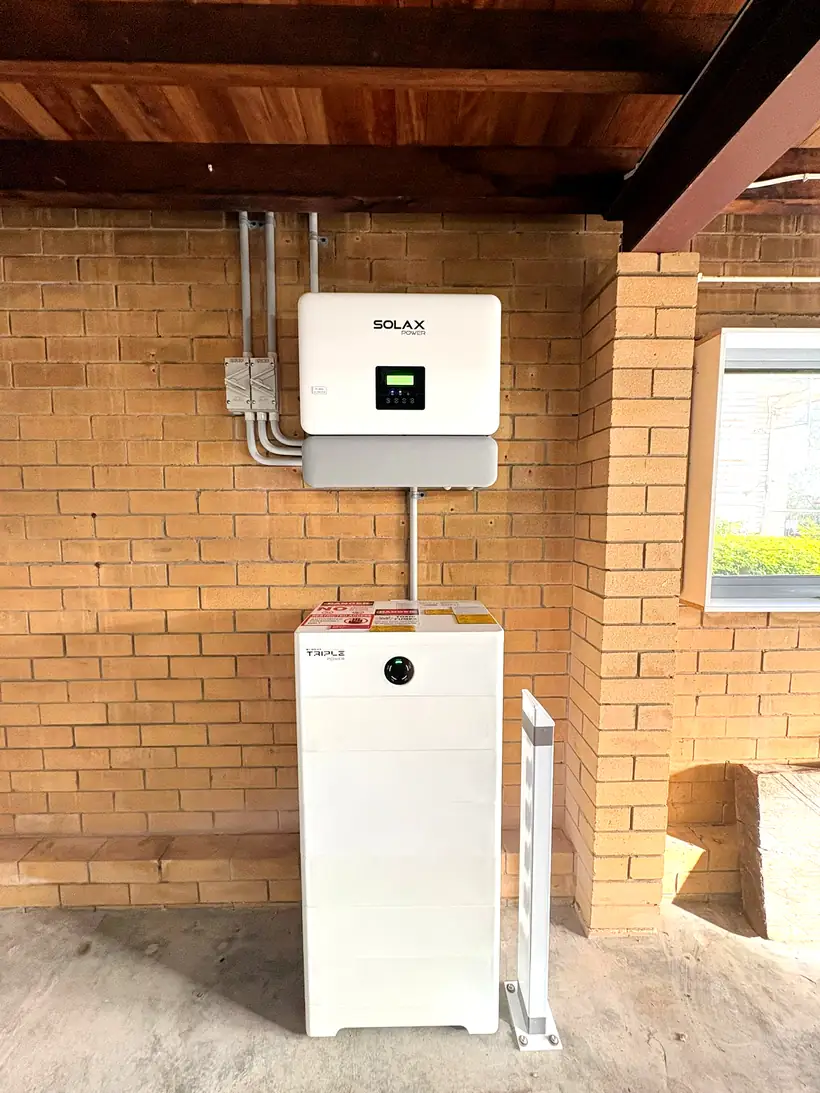
We retrofit batteries to systems we did not install, including brands that have left the market. What we check first is the make, model and age of your inverter and whether the switchboard has room, because that decides whether a hybrid inverter is part of the job.
I do not know what size I need.
It follows from your overnight usage, not from your solar size. Find your daily average on a bill, work out roughly how much happens after dark, and size to cover that. We do the same thing properly against twelve months of data before quoting.
01
Battery sizes and starting prices
| Capacity | Starting price | Roughly suits |
|---|---|---|
| 10kWh | $8,500 | Covering an evening peak and overnight base load |
| 20kWh | $9,900 | A larger household, or riding through most of a day |
| 30kWh | $12,990 | High use, an EV, or wanting real backup during outages |
A 10kW solar system with 20kWh of storage, bought together, starts at $12,900.
02
How to tell whether a battery is worth it for you
There is one number that decides it: how much of your electricity you use outside daylight hours.
- Find your daily average usage in kWh on a recent bill.
- Work out roughly how much of that happens after dark, on weekdays as well as weekends.
- If most of your use is at night, a battery does more for your bill than adding panels does.
- If someone is home during the day and the big appliances run then, more panels usually beat a battery.
03
Adding a battery to an existing system
A retrofit is normally straightforward. The question is what inverter you already have and whether it will talk to the battery, or whether you need a hybrid inverter as part of the job.
What we check before quoting a retrofit
- The make, model and age of your existing inverter
- Whether your switchboard has room and the right protection
- Where the battery can physically go, and whether it is allowed there
- What your existing system actually produces, rather than what it was sold as
What you are choosing between
The options, and what each one suits
Evening cover
10kWh
from $8,500
Covers an evening peak and overnight base load for most households. The common starting point on a retrofit.
Most of a day
20kWh
from $9,900
A larger household, or riding through most of a day. The step up in price is smaller than the step up in capacity because much of the cost is the install rather than the cells.
High use and real backup
30kWh
from $12,990
High consumption, an EV charging at home, or wanting genuine backup through an outage rather than a token circuit.
Bought together
10kW solar + 20kWh
from $12,900
One visit, one set of paperwork and one switchboard job, which is why buying the two together costs less than buying them a year apart.
Starting prices include GST and standard installation, after the government incentives you qualify for. Your final price is confirmed in writing after a site assessment.
Who it is for
The households this is actually for
Out all day, everything runs at night
The households a battery does the most for. If the washing, the cooking and the cooling all happen after six, panels alone export most of what they make for a few cents a kilowatt hour and you buy it back at full rate that evening.
Already have solar and a bill you did not expect
A common one. The system is working, the daytime bill is gone, and the evening one is not. That is a storage problem rather than a panel problem, and adding rows to the roof will not touch it.
Outages matter more than payback
Medical equipment, working from home, a freezer that cannot thaw. Backup is a legitimate reason to buy a battery on its own, and it needs saying at quoting stage because it changes how the system is wired.
How the job runs
From the first call to the switch-on
We read the bills, not the roof
Twelve months of usage, split into what happens in daylight and what happens after dark. That split is the whole sizing decision, and it is the step most quotes skip.
We check what is already there
Inverter make, model and age, switchboard capacity and protection, and where a battery is physically allowed to sit. On a retrofit this decides whether a hybrid inverter is part of the job or not.
A price with the incentives itemised
The federal Cheaper Home Batteries discount comes off the invoice, and the NSW virtual power plant incentive is separate money if you connect to one. Both appear as their own lines rather than folded into a headline number.
Install, commission, and the paperwork
Licensed electrical work by the crew that quoted it. If you want backup during an outage, that is wired at install rather than added later, so it has to be decided before the day.
Before you book
Common questions
The ones that come up on nearly every first call, answered straight.
Not on the list? Call 1300 958 778 or send it through.
Will a battery keep my power on in a blackout?
Only if it is configured for backup and wired to a backup circuit, which is a specific part of the install rather than something every battery does by default. Tell us at quoting stage if that is what you want, because it changes the design.
Can I add a battery to solar someone else installed?
Usually yes. It depends on your existing inverter and switchboard, which we check before quoting rather than after.
Where does the battery go?
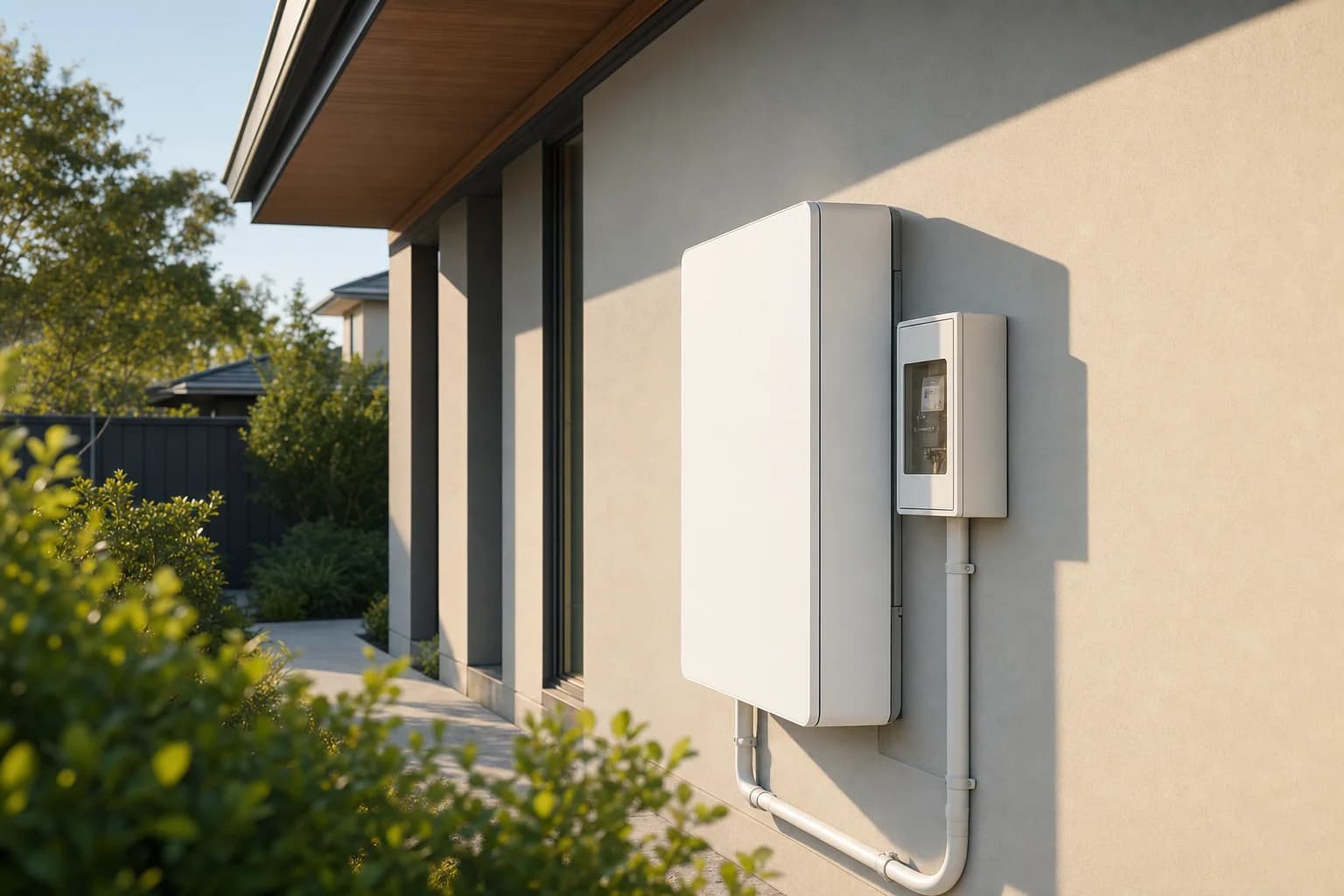
Most commonly in a garage or against an external wall, in a spot that stays out of direct afternoon sun and meets the clearance rules. We confirm the location on site.
How long do batteries last?
Warranties are typically stated in years and in throughput, whichever comes first, and the throughput figure is the one people forget to read. Ask for both numbers.
Is a battery cheaper bought with the panels?
Generally yes, because it is one visit, one set of paperwork and one switchboard job instead of two. A 10kW system with 20kWh of storage starts at $12,900.
The rest of what we do
- Solar panel installationRooftop solar sized on your actual bills, installed by our own crew, with the price agreed in writing first.
- System design & sizingThe part that decides whether your system was worth it, done on your usage and your roof before anything is ordered.
- Inverter replacementThe part that fails first, replaced without touching panels that are still doing their job.
Suburbs we cover
Find out what your roof is worth.
Send the address and roughly what your quarterly bill runs to. You get a system size, a price and a payback figure in writing, before you commit to anything.