Guide
Three free hours a day, and what the Solar Sharer offer is worth in Parramatta
Published 4 September 2026 · 7 minute read
From 1 July 2026 New South Wales households can take a plan that charges nothing for electricity between 11am and 2pm. It is called the Solar Sharer offer and it is a real thing, regulated and available from any retailer of reasonable size.
It is also opt in, needs a smart meter, and can carry higher rates for the rest of the day. Whether it is worth taking is a question about your household, not about the offer.
The short version
- Free electricity from 11am to 2pm in NSW, up to 24kWh a day, available since 1 July 2026.
- You need a smart meter, and you have to ask for the plan. It will never be your retailer's default.
- Your daily supply charge still applies. Free covers the energy in the window, not the bill.
- Energy Made Easy warns that rates outside the window may be higher than a traditional plan.
- The pool pump and the hot water are usually where the savings are, and both are a timer setting.
- It does the most for a household with a battery, because the free window closes before the expensive part of the day starts.
01
What the offer actually is
From 1 July 2026 a new kind of regulated electricity plan exists. It is called the Solar Sharer Offer, and on it your electricity is free for three hours in the middle of every day.
In New South Wales the window is 11am to 2pm. The idea behind it is simple: there is now so much rooftop solar on the grid at midday that the system would rather you used the power than curtailed it.
- The free window in NSW
- 11am to 2pmThe free window in NSW
- Free each day, then normal rates
- 24 kWhFree each day, then normal rates
- Available from
- 1 July 2026Available from
- You have to ask for it
- Opt inYou have to ask for it
Twenty four kilowatt hours is roughly what an average five person household gets through in a whole day, so for most homes the cap is not the binding constraint. The three hours are.
Retailers with more than 1,000 customers across the regions where the Default Market Offer applies have to make the plan available. They do not have to put you on it, and it will never be your default plan.
02
The conditions nobody puts in the headline
Free is a strong word and it is doing a lot of work. Four things are true at the same time.
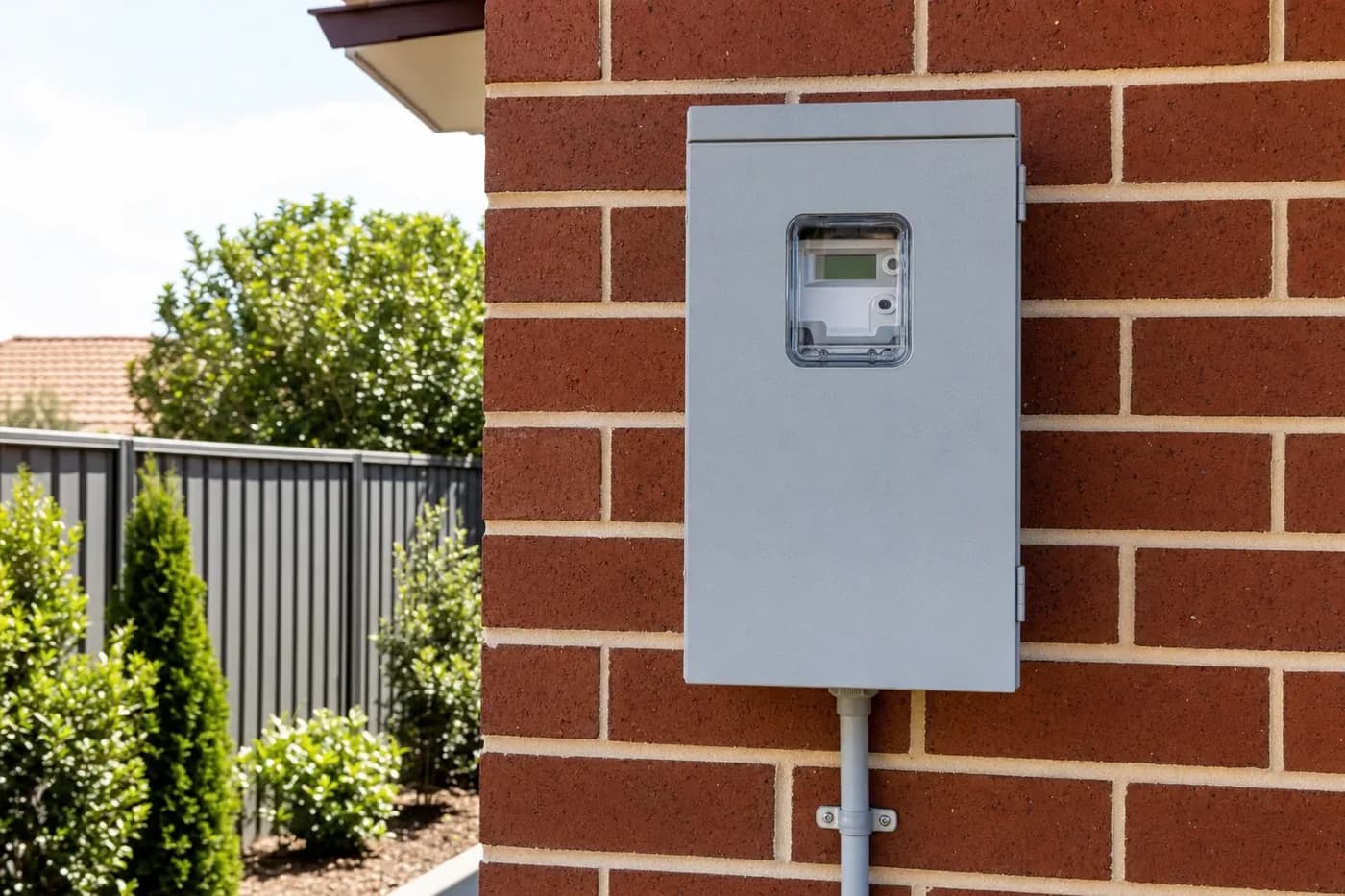
- You need a smart meter, also called an interval meter. Without one the retailer cannot see when you used the power, so the plan cannot work
- You have to ask for it. It is opt in only and no retailer will move you across on their own
- Your daily supply charge still applies, and so can controlled load charges. Free covers the energy in the window, not the bill
- The rates outside the window can be higher than a traditional plan. Energy Made Easy says so in its own words
So this is not a rebate you claim. It is a tariff you choose, and choosing it wrongly costs you money.
03
What it is worth on a Parramatta bill
The households this suits are the ones with a load they can genuinely shift into the middle of the day, and something in the house that holds what it makes.
| What you run | Can it move to 11am to 2pm |
|---|---|
| Pool pump | Yes, and it is usually the single biggest win. It is a timer setting. |
| Hot water | Often, if it is electric storage and can be reset off its overnight controlled load. |
| Washing and drying | Yes on weekends and for anyone home during the day. Harder if the house is empty. |
| Ducted heating or cooling | Partly. Bringing the house to temperature inside the window and holding it costs less than heating a cold house at 6pm. |
| Cooking, lighting, TV | No. This is evening load and it always will be. |
| EV charging | Yes, and it is a large load, but only if the car is home in the middle of the day. |
Add up the loads in the yes column. If most of your consumption is in the last row, this plan is not built for your household, and the honest answer is to stay where you are.
04
If you already have solar
This is the question we get most, and it deserves a straight answer rather than a confident one.
Between 11am and 2pm your own panels are already producing at close to their peak. That is precisely the window the offer makes free, so for the hours you would have covered yourself, the offer gives you very little you did not already have.
Where it can still help is on a dull day, on a system that is undersized for the house, or on a roof that faces east and has fallen off by early afternoon. Where it can hurt is if the plan's evening rate is worse than your current one, because the evening is exactly when a solar household buys.
05
If you have a battery, or are thinking about one
Here the arithmetic changes, and it changes in the direction you would expect.
The limitation of the offer is that the free window closes at 2pm and the expensive part of the day starts a few hours later. A battery is the thing that carries energy across that gap.
- MiddayYour panels cover the house and the free window covers anything they do not, so nothing is being bought.
- Early afternoonSurplus goes into the battery rather than to the grid at an export rate worth a few cents.
- EveningThe house runs on what it stored, through the hours when power costs the most on the Endeavour network.
That is the same argument for a battery that existed before this offer, and this offer strengthens it rather than replacing it. The gap between what exported power earns at midday and what bought power costs in the evening is the number that decides whether storage pays in Parramatta, and we set both out on the rebates page.
Three free hours is a good tariff. Something that holds those hours until six o'clock is a system.
06
How to decide, in one afternoon
You can settle this yourself without anyone selling you anything.
- Check you have a smart meterYour retailer knows, and it is usually on your bill or in your online account. No smart meter, no offer.
- Pull your usage data, not your bill totalMost retailers will give you interval data. You are looking for how much of your consumption lands between 11am and 2pm today.
- Ask your retailer for the full rate cardNot just the free window. The peak rate, the shoulder rate, the supply charge and the feed in tariff if you have solar.
- Compare it against what you are on nowThe government comparison site Energy Made Easy is free. Put both plans in.
- Then decide what to shiftThe pool pump and the hot water are usually where the money is, and both are a timer rather than a purchase.
Everything above was checked against energy.gov.au and Energy Made Easy on 4 September 2026. Tariff detail moves, so confirm the numbers with your own retailer before you switch.
Before you book
Common questions
The ones that come up on nearly every first call, answered straight.
Not on the list? Call 1300 958 778 or send it through.
Do I need solar panels to get the Solar Sharer offer?
No. That is the point of it. The free window exists because there is so much rooftop solar on the grid at midday that the system would rather households used the power, and you do not need panels of your own to take a plan that reflects that.
Is the electricity really free in that window?
The energy you use in the window is, up to 24kWh a day. Your daily supply charge still applies and so can controlled load charges, so a bill on this plan is never zero. The bigger thing to check is what the plan charges outside the window, because that is where the rest of your consumption sits.
Is it worth switching if I already have panels?
Often less than people expect. Between 11am and 2pm your own system is already producing near its peak, so the free window is covering hours you were mostly covering yourself. Compare the plan's evening rate against your current one, because the evening is when a solar household actually buys.
What happens to my feed in tariff on this plan?
The published material does not spell that out, and we are not going to guess at it. Ask your retailer directly what feed in rate applies on the Solar Sharer plan, and get the answer in writing before you switch.
Does a battery make the offer better?
Yes, and that is the clearest case for one. The free window ends at 2pm and the expensive hours start a few hours later, so a battery is what carries cheap or free energy across that gap. It is the same argument for storage that already existed on the Endeavour network, and this offer sharpens it.
More guides
- The solar rebate shrinks every year, and waiting costs you twiceThe federal discount on panels and batteries steps down on a published schedule. What that means for a Parramatta household deciding this year or next.
- What a battery install finds in an older Parramatta switchboardWhy a battery quote can grow on install day, what a crossed neutral is, and the five questions that keep it off your final invoice.
- The NSW Home Energy Saver, and what it will actually pay forZero interest loans are open, the discounts are not yet. The figures, the income tests, the eligible upgrades and the order you have to apply in.
Find out what your roof is worth.
Send the address and roughly what your quarterly bill runs to. You get a system size, a price and a payback figure in writing, before you commit to anything.